For every type of waste, the right destination
Landfill, waste-to-energy plant or treatment plant, in Italy and abroad: we choose the destination that suits your waste and arrange its transport.
Every destination has its code
There is one rule to start from: all waste must be recovered or disposed of without harming people's health or the environment.
Each destination has a code, the code of its operation: D for disposal, R for recovery. Here you will find the destinations we work with and the official definition of each code.
-
D1 D5: Disposal in landfill
- D1
- Deposit into or on to land (e.g. landfill)
- D5
- Specially engineered landfill (e.g. placement into lined discrete cells which are capped and isolated from one another and the environment)
-
R1: Energy recovery in waste-to-energy plants
- R1
- Use principally as a fuel or other means to generate energy
-
R3 R12 R13: Treatment and upgrading in plants
- R3
- Recycling/reclamation of organic substances which are not used as solvents (including composting and other biological transformation processes)
- R12
- Exchange of waste for submission to any of the operations numbered R1 to R11
- R13
- Storage of waste pending any of the operations numbered R1 to R12 (excluding temporary storage, pending collection, on the site where the waste is produced)
-
MBT (mechanical biological treatment) plants
We collect the dry and the wet fraction leaving their flow and arrange their transport to landfill or to energy recovery.
Official definitions from Annexes I and II to Directive 2008/98/EC.
Landfill
A landfill is the place where waste that cannot be recycled or reused is deposited. This is disposal, with operations D1 and D5.
We work with landfills in Italy, for mainly non-hazardous waste. A landfill must be carefully designed and built, to keep the waste separate from the ground and to protect health and the environment.
-
Designed for specific waste
Designing it well is essential, because it has to receive clearly defined types of waste: inert, hazardous or non-hazardous.
-
A limited life
It cannot take more than a set volume of waste, which is why its life is limited.
-
A geological barrier
It must be built with a geological barrier that isolates the waste from the ground, in line with hygiene standards and with respect for the biosphere.
-
Biogas and soil improver
The compostable fraction can be used as a soil improver or to produce biogas, a fuel for generating energy. This greatly reduces environmental pollution.
Waste-to-energy plants
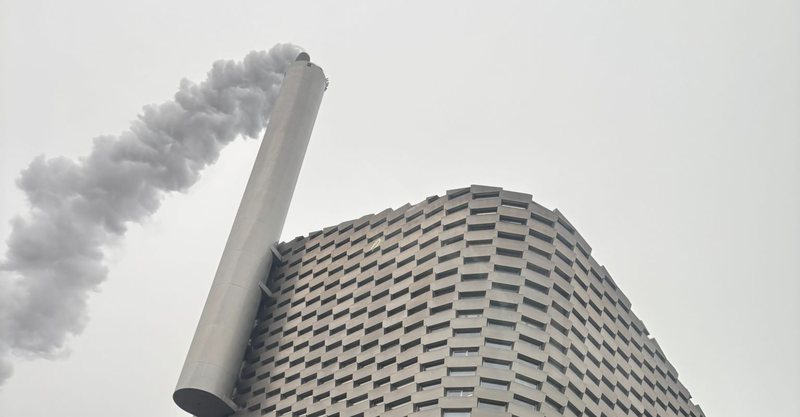
In waste-to-energy plants, waste becomes electricity and heat: this is energy recovery, with operation R1.
We work with waste-to-energy plants mainly in Northern Europe, for non-hazardous waste.
How incineration works
Unlike recycling, the waste does not become material again: energy is obtained from it instead, in dedicated plants.
The waste is tipped into the plant's bunker; the overhead crane's grab picks it up and feeds it to the furnace.
- How it works
- The combustible part of the waste is completely oxidised
- What it produces
- Electricity and heat
- Effect on the waste
- The volume of incinerated waste is reduced
- What is left
- Slag, which has to go to a landfill
Treatment plants
We work with various plants that treat and process waste to get even more value out of it. The operations are R3, R12 and R13.
These plants are in Italy and abroad, in our partners' countries: Denmark, Sweden, Germany, Austria, Switzerland, Hungary, Croatia and Spain.
SRF (solid recovered fuel)
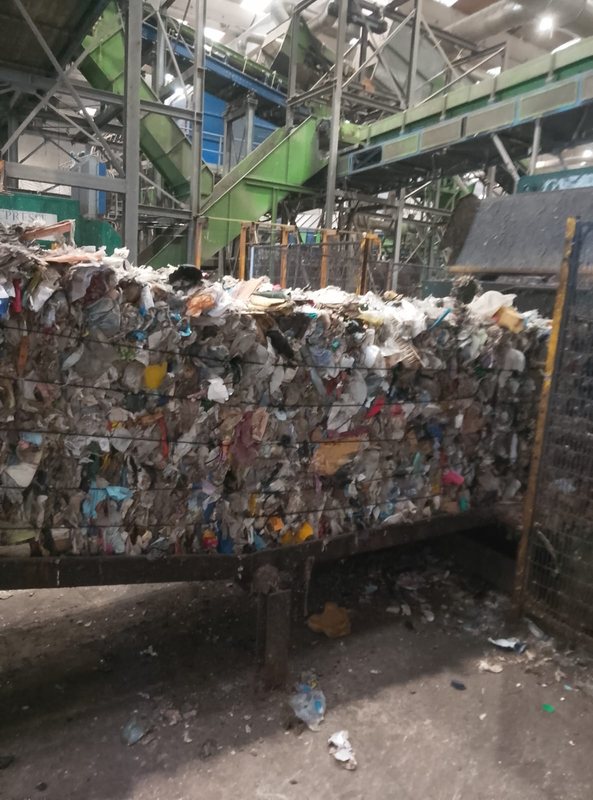
It is an alternative fuel made from waste.
- Where it is produced
- In some of the plants we work with
- How it is made
- By mixing the waste with other waste
- What it replaces
- Fossil fuels such as coal and petcoke
MBT plants and biocells
We work with MBT (mechanical biological treatment) plants. Two fractions leave their flow, a dry one and a wet one: we collect both and arrange their transport to landfill, to energy recovery or for further sorting.


MBT plant
Two fractions leave its flow
-
Dry fraction
Known as oversize
-
It leaves with the EER code
- 19 12 12
- Other wastes (including mixtures of materials) from mechanical treatment of wastes other than those mentioned in 19 12 11
-
We collect it and take it to its destination
To landfill for disposal (D1, D5), to preliminary storage (D15), to energy recovery (R1) or for further screening, selection and sorting (R12, R13)
-
-
Wet fraction
Known as undersize
-
It goes into the biocells
Where it stays on average 21–27 days
-
Once stabilised, it leaves with the EER codes
- 19 05 01
- Non-composted fraction of municipal and similar wastes
- 19 05 03
- Off-specification compost
-
We collect it and take it to its destination
To landfill for disposal (D1, D5), to preliminary storage (D15), to energy recovery (R1) or for further screening, selection and sorting (R12, R13)
-
Recycling
Recycling turns waste into materials that can be reused.
In industrialised countries, recycling is also used to reduce energy consumption and industrial costs.
Recycling produces secondary raw materials (SRM), and we also trade in them: above all paper and cardboard, but also plastics.
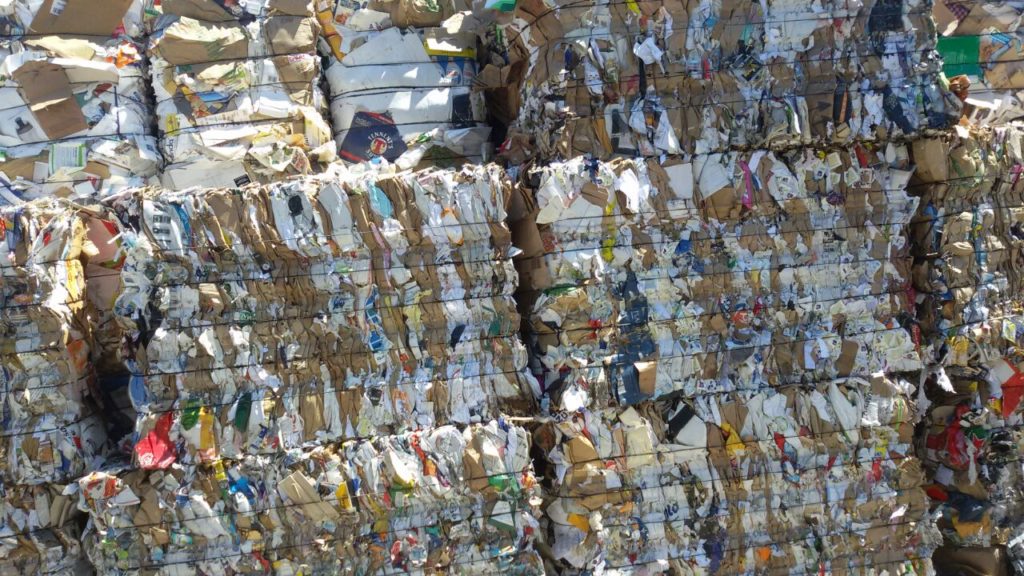
How recycling takes place
-
Separate collection
The process starts here. In recent years several municipalities have introduced it in their areas.
-
Secondary raw material
The collected material is turned into secondary raw material.
-
New products
The secondary raw material is reused in the production processes of new products.
Where we come in
We manage your waste from the producer until it has been recovered or disposed of, and we trade the recovered material.
-
We choose the destination
We find the right destination for each type of waste, in Italy or abroad.
-
We handle the notification
We handle the notification for waste shipments abroad ourselves: from obtaining the financial guarantees and preparing the whole notification dossier to securing consent for the transboundary shipment. And, of course, their transport and destination.
-
We arrange transport by road and sea
All the way to the destination plant, with the right vehicle for each load. See the types of vehicle.
Where we sit in the supply chain
-
Waste producers
Companies and plants that need to dispose of their waste or send it for recovery.
-
World Recycling
Chooses the destination, handles the notification and the transport, and looks after the commercial side.
-
Recovery and disposal operators
Landfills, waste-to-energy plants, treatment plants and recycling plants.
-
Secondary raw material buyers
Buyers of secondary raw materials, such as paper and cardboard.
Do you have waste to place or secondary raw materials to sell or buy?
Tell us what the waste is and, if you know it, its EER code: together we will choose the right destination, in Italy or abroad.
- Office, phone
- +39 0583 051839
- Office and mobile
- +39 373 7398833
- Sales e-mail
- commerciale
@worldrecycling.it