Serving the waste market
We manage waste from the producer until it has been recovered or disposed of, and we trade secondary raw materials. In Lucca since 2012
Experience in waste treatment and trade
World Recycling is an Italian company based in Lucca, Tuscany. It was founded in 2012 by Raffaello Cortopassi, who has worked for many years in waste treatment and trade.
Service to the market has always been our guiding principle: it is the added value we offer our customers at every stage of our work.
That is why, with our team of professionals, we take care of your waste from where it leaves you until it has been recovered or disposed of.
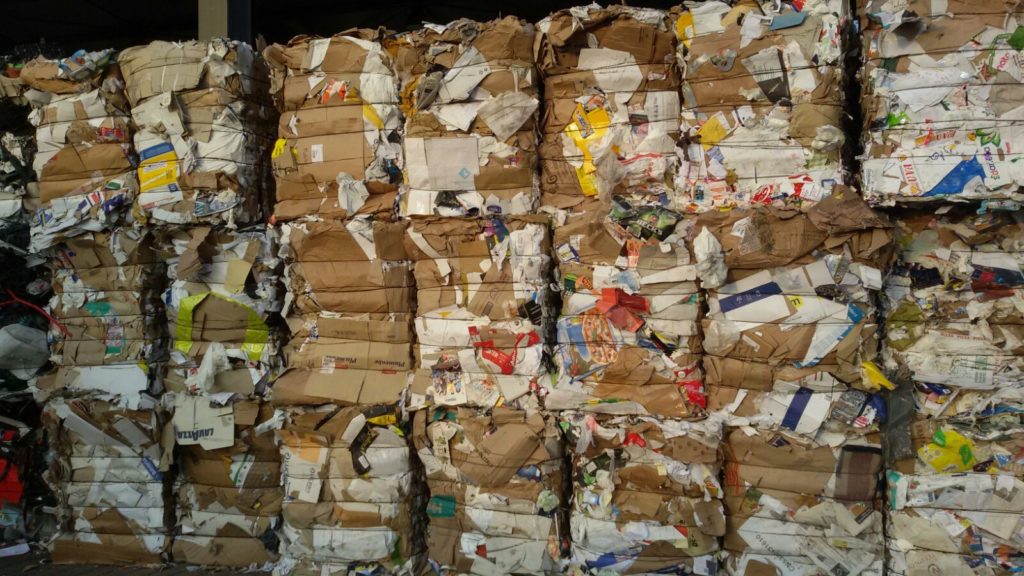
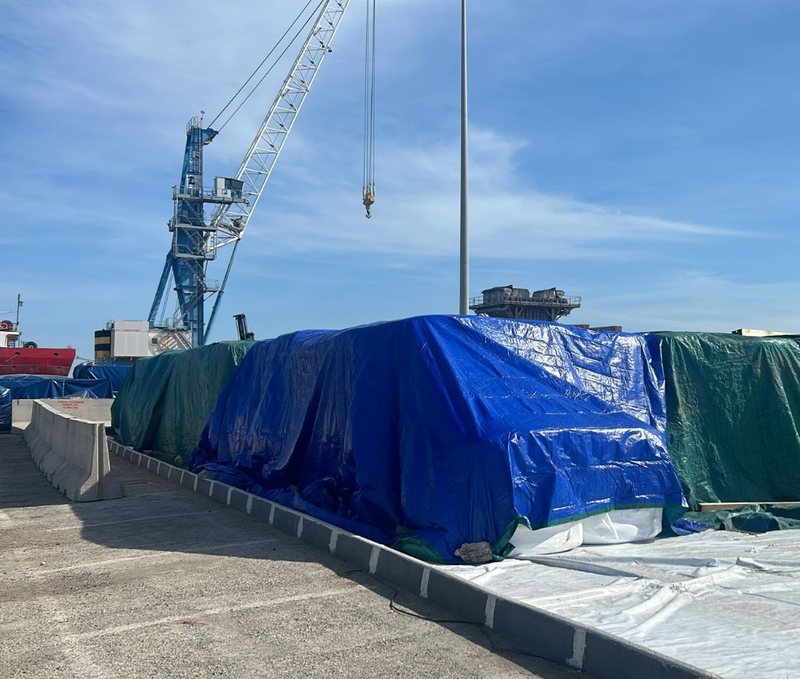
Today we send waste for disposal in landfills in Italy, for energy recovery in waste-to-energy plants, mainly in Northern Europe, and to treatment plants in Italy and in the partner countries. We handle the notification for waste shipments abroad ourselves: from obtaining the financial guarantees and preparing the whole notification dossier to securing consent for the transboundary shipment. And, of course, their transport and destination. Loads travel by road and by sea. We also carry out turnkey clearances, for example of a warehouse that needs emptying.
- Founded in
- 2012
- Based in
- Lucca
- Partner countries
- 8
- By sea, full ships of up to
- 5,500 t
Our strengths
-
Reliability
A steady point of contact, working in Lucca since 2012.
-
Confidentiality
Information about your company and your materials stays confidential.
-
Timely payments
We pay within the agreed terms.
-
A helpful and competent back office
By phone or e-mail, you deal with an office that answers and knows the sector.
We believe in cooperation
Working together leads to wider market development. That is why we are always looking for new partnerships that help our business, and our customers' businesses, grow.
Our customer portfolio, in Italy and abroad, is wide and constantly growing. Abroad, we currently work with partners in eight countries:
- Denmark
- Sweden
- Germany
- Austria
- Switzerland
- Hungary
- Croatia
- Spain
Behind every successful company there is somebody who has made a brave decision.
Find out more
A few basics about the world we work in: what waste is, how the waste problem has changed over time and what ecology deals with.
What is waste?
Waste is any object (inorganic) or substance (organic) that its holder discards.
It is classified according to two criteria, independent of each other: its origin, which distinguishes municipal waste from special waste, and its hazardous properties, which distinguish hazardous waste from non-hazardous waste.
| By hazard | ||
|---|---|---|
| By origin | Non-hazardous | Hazardous |
| Municipal | Municipal non-hazardous | Municipal hazardous |
| Special | Special non-hazardous | Special hazardous |
Waste: past, present and future
How the waste problem began, how it grew with industry and what solutions are being sought for the future.
-
Past
People lived in balance with the environment: the little waste they produced went back into biological cycles. Nothing was wasted, and everything was recycled and reused several times.
The waste problem appeared with the birth of cities and the growth of the population.
-
Present
With the Industrial Revolution, waste became a significant problem: industry began to exploit resources intensively, mass-producing goods that were cheaper than handcrafted ones.
Quality of life has improved, but so have the quantity and variety of waste, with the arrival of new materials such as plastics and chemicals.
-
Future
We need to solve the environmental problems created by industrial development, above all carbon dioxide emissions and plastic consumption.
To this end, attention is starting to turn to electric cars, biodegradable plastics and renewable energy.
What is ecology?
Ecology assesses the impact of human activity on the environment and on changes in the climate, such as rising temperatures, and tries to limit their consequences.
The consequences ecology tries to limit
Do you have waste to place or secondary raw materials to sell or buy?
Tell us about the material, or propose a partnership: our Lucca office will get back to you.
- Office, phone
- +39 0583 051839
- Office and mobile
- +39 373 7398833
- Sales e-mail
- commerciale
@worldrecycling.it